
On this page
Three key points
Columbus aimed to reach Asia from the west; he did not set out looking for America.
The familiar mile-unit explanation is disputed by historians and should not be treated as the one proven cause.
Al-Biruni considered the possibility of land across the ocean; he did not map America.
What was he seeking?
Columbus’s journal points to a plan for a westward sea route to Asia and the Indies. He reached Caribbean islands in October 1492.
“Discovered America” is a European cartographic perspective. Peoples lived there long before his arrival; the video says so.
How certain is the mile story?
A value for the length of one degree from al-Farghani’s work was known in European scholarly circles. Columbus underestimated the Earth and the distance to Asia.
The video states the familiar but disputed “Arab mile mistaken for Roman mile” explanation too firmly. Other ideas about Asia’s extent also influenced his calculation. Al-Farghani never met Columbus and was not responsible for his mistake.
What did al-Biruni propose?
Al-Biruni discussed the possibility of habitable land beyond the known landmass, across the ocean. He did not draw a map of a particular continent.
We do not claim that he “discovered America” in advance, or that Columbus read him. The parallel stories do not imply direct contact.
Names on Earth and the Moon
A 1507 map used the name “America” for the new continent. Lunar craters named Alfraganus, Al-Biruni and Colombo are also officially listed.
Sharing a place-name or a lunar-crater list does not mean these people met or worked together.
About the materials
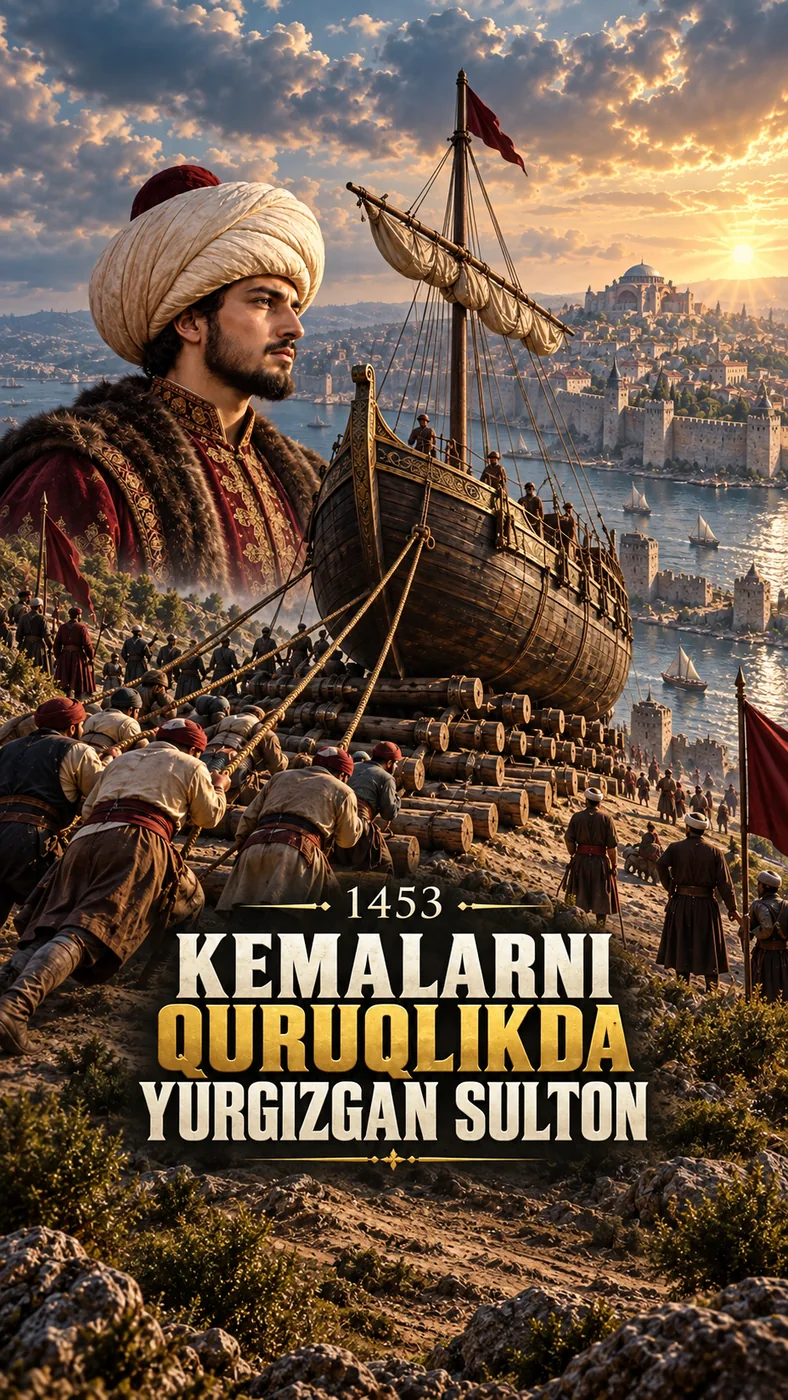
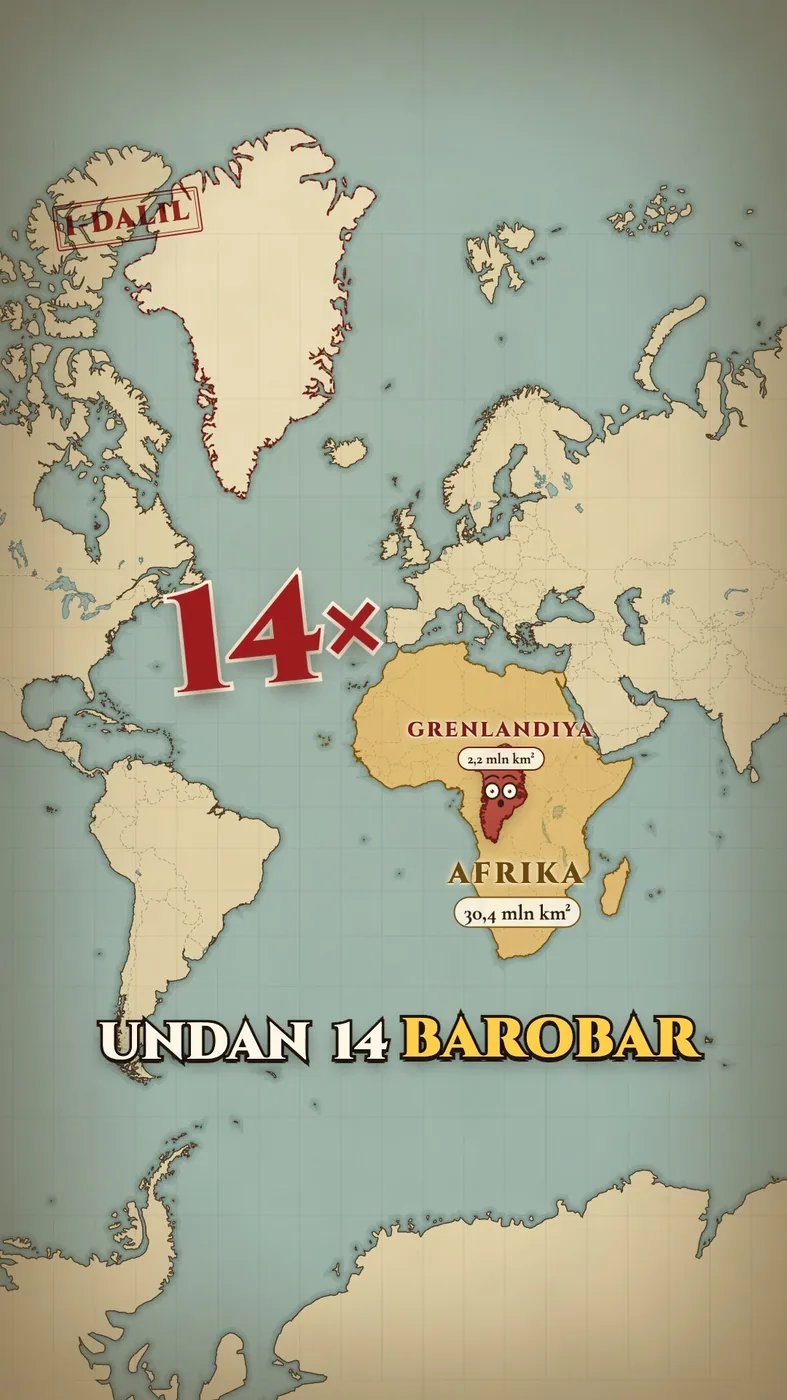
The sea route, continent outlines and calculation are explanatory diagrams. Columbus’s portrait is a later imagined likeness; the cover is not a historical photograph.
Found an error?
If you find a specific error or a better source, send us the claim and its link. We will review it and date any correction on this page.
Write to us on Instagram